All Posts By

Emile Morsbach

South Africa helium methane gas D3 Energy Renergen investment

Renergen Deal Illuminates D3 Energy’s South African Gas Potential

By | Energy, Resources & Renewables | No Comments

On May 22, Renergen Ltd (ASX:RLT, JSE:REN) made a major splash in the South African gas industry, agreeing to a $160 million merger with ASP Isotopes (NASDAQ:ASPI). This deal positions Renergen as a top global supplier of crucial industrial gases like helium and methane, highlighting the increasing value of these resources.

Crucially, it also sets a high valuation benchmark for the sector, which could significantly benefit D3 Energy Ltd (ASX:D3E, OTCQB:DNRGF), given its promising, similar resources located right next to Renergen’s.

South Africa electricity crisis solution

The 50% Solution: Ramokgopa’s Gas-to-Power Push

By | Energy, Resources & Renewables | No Comments

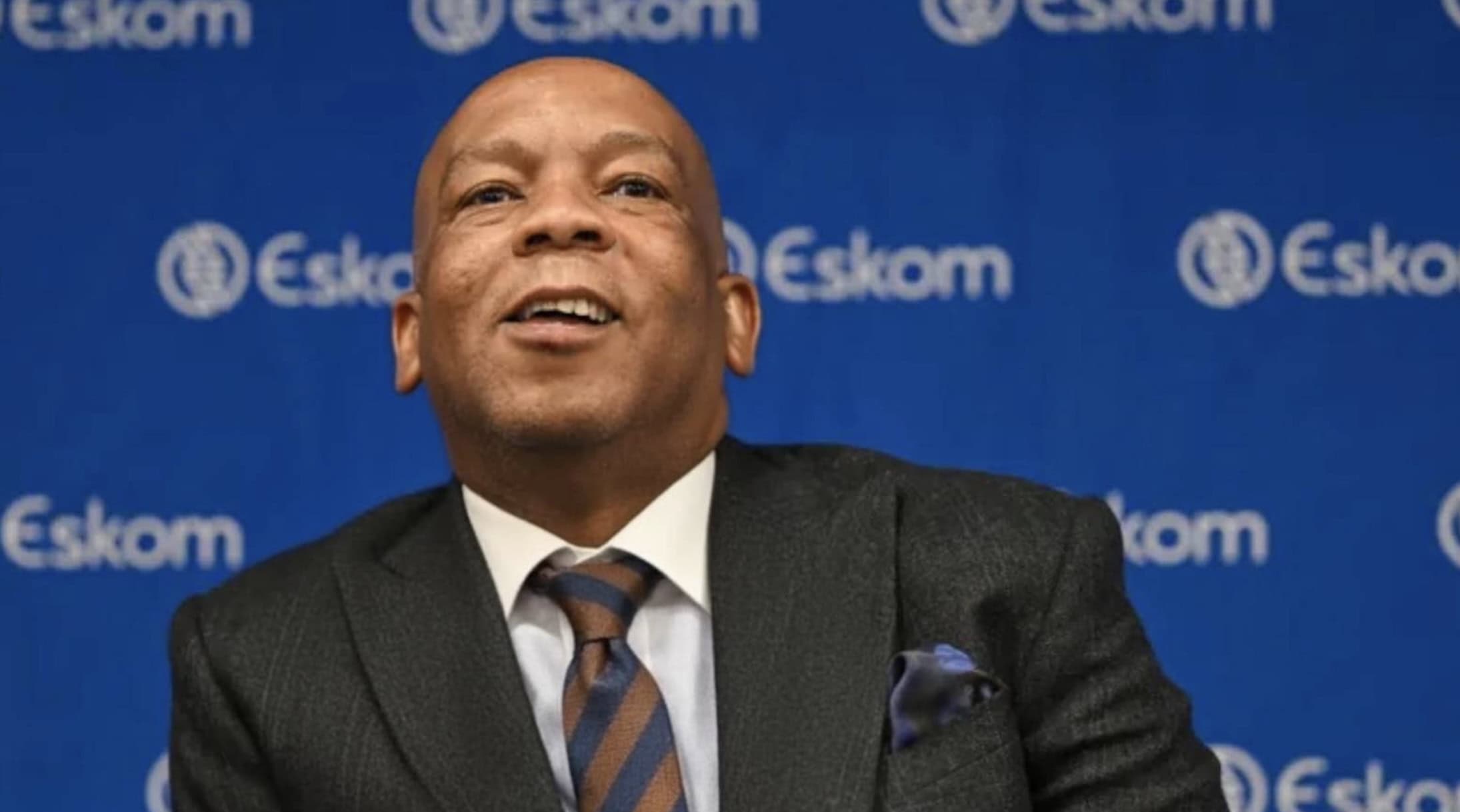
To stimulate crucial gas demand and address a broader economic challenge, Electricity and Energy Minister Dr. Kgosientsho Ramokgopa has announced a significant increase in the operational capacity target for new gas-to-power (GtP) plants in South Africa. The load factor, which measures how much electricity a plant produces compared to its maximum potential, will jump from 25% to over 50%.

This policy shift, revealed during the release of Eskom’s winter outlook, directly responds to market feedback and aims to mitigate South Africa’s impending “gas cliff,” a projected severe shortage of natural gas from Mozambique later this decade. Ramokgopa stressed that this move is about solving an “energy and economic problem,” not solely an electricity issue.

South Africa gas supply

Flowing Forward: Kinetiko Overcomes Setback in South Africa

By | Energy, Resources & Renewables | No Comments

Kinetiko Energy (ASX: KKO) is once again focused on delivering a critical new gas supply to meet South Africa’s urgent energy needs.

Following recent flow challenges encountered during testing at its shallow conventional gas projects in the Mpumalanga province, the company is now confidently moving forward with the ambitious development of South Africa’s largest onshore natural gas resource.

Encouraging initial assessments derived from laboratory analyses suggest that the inhibited gas production observed in the recent wells was attributable to mechanical issues rather than underlying geological constraints.

Ramokgopa gas power load factor

Gas Power Surge: South Africa Boosts Load Factor

By | Energy, Resources & Renewables | No Comments

Citing the need to resolve an “energy problem and an economic problem” rather than just an electricity shortage, Electricity and Energy Minister Dr Kgosientsho Ramokgopa stated that the load factor for South Africa’s proposed gas-to-power (GtP) plants will be increased from 25% to above 50%. Speaking at Eskom’s winter outlook presentation, he indicated that this policy change was a direct response to market feedback on how to encourage gas demand. Ramokgopa’s announcement occurs against the backdrop of concerns about South Africa’s looming ‘gas cliff’ – a sharp decrease in natural gas supply to key industrial regions as Sasol’s Mozambican gas fields approach depletion.

South Africa natural gas shortage

South Africa’s Gas Cliff: Avoiding the Industrial Plunge

By | Energy, Resources & Renewables | No Comments

Natural gas is the lifeblood of South Africa’s industrial heartland, powering key sectors like petrochemicals, steel, and food processing and supporting countless jobs. Currently, the nation almost exclusively relies on a single, diminishing source in Mozambique. This precarious situation presents a looming ‘gas cliff’ – a sharp supply drop with severe consequences for energy security and industrial stability, potentially jeopardising over 50,000 livelihoods. Beyond its economic significance, natural gas is also viewed as a critical transition fuel, offering a pathway to lower emissions and helping South Africa meet its ambitious net-zero targets under the Paris Agreement. The urgency to find alternative gas sources is paramount to safeguard both the economy and climate goals.

Is natural gas use increasing

Small-Scale LNG Market Set to Double: Global Forecast Hits $92.8 Billion by 2028

By | Energy, Resources & Renewables | No Comments

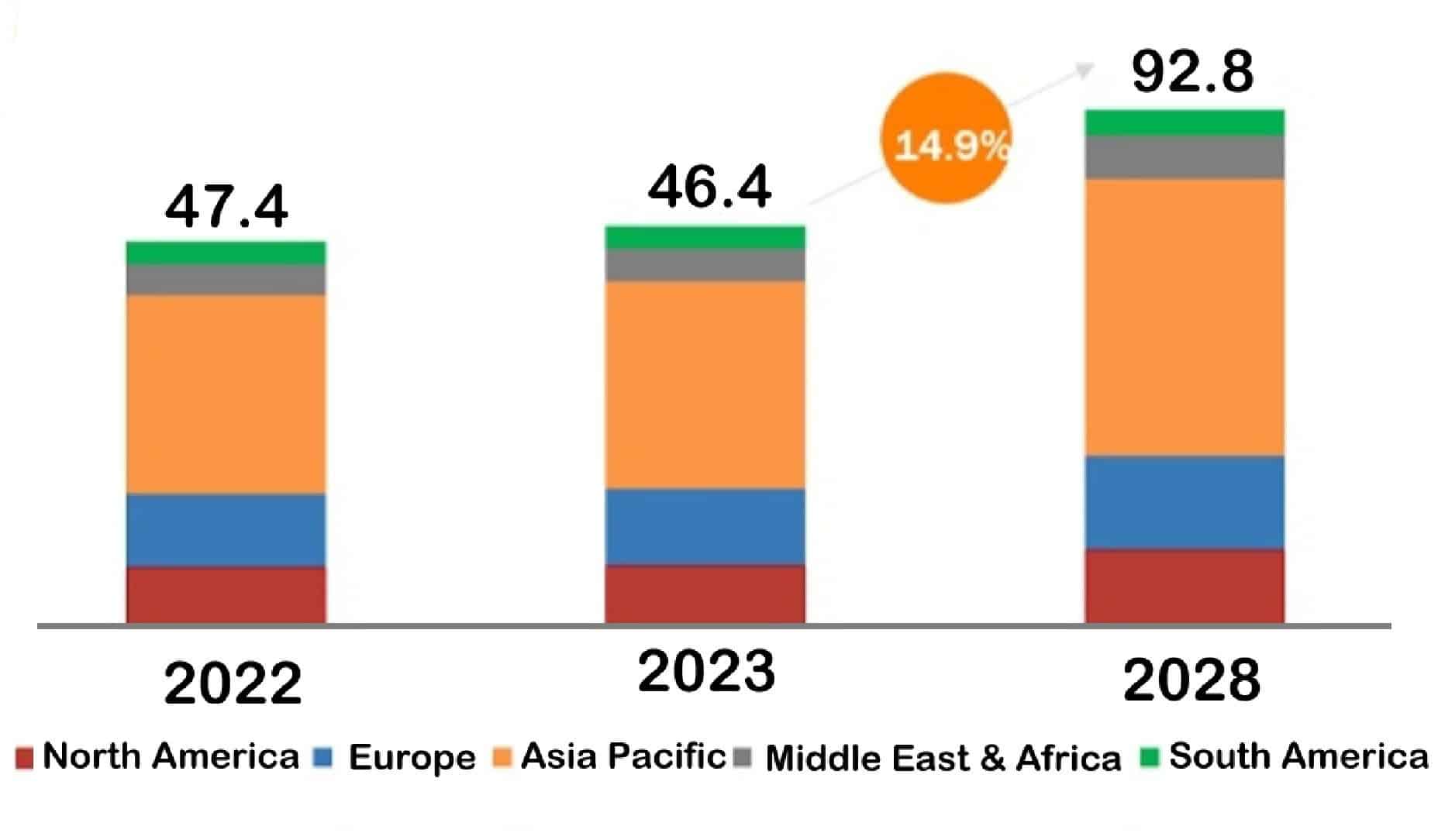
The global small-scale LNG market is poised for significant expansion, projected to nearly double in value from USD 46.4 billion in 2023 to USD 92.8 billion by 2028. This represents a robust compound annual growth rate (CAGR) of 14.9%.

This dynamic growth reflects a market undergoing rapid transformation, driven by factors like the increasing demand for cleaner energy sources and innovations in liquefaction and regasification technology. Further momentum comes from the rising adoption of LNG as a marine fuel and the energy needs of expanding remote and off-grid industries.

These drivers have reshaped the market, leading to new players emerging, specialized infrastructure being established, and strategic partnerships forming across the value chain. Looking ahead, the small-scale LNG landscape will continue to evolve, influenced by technological advancements, regulatory developments, and shifting energy demand patterns.

natural gas trucks

Greener Miles, Smarter Hauls: The LNG Advantage for Trucks

By | Energy, Resources & Renewables | No Comments

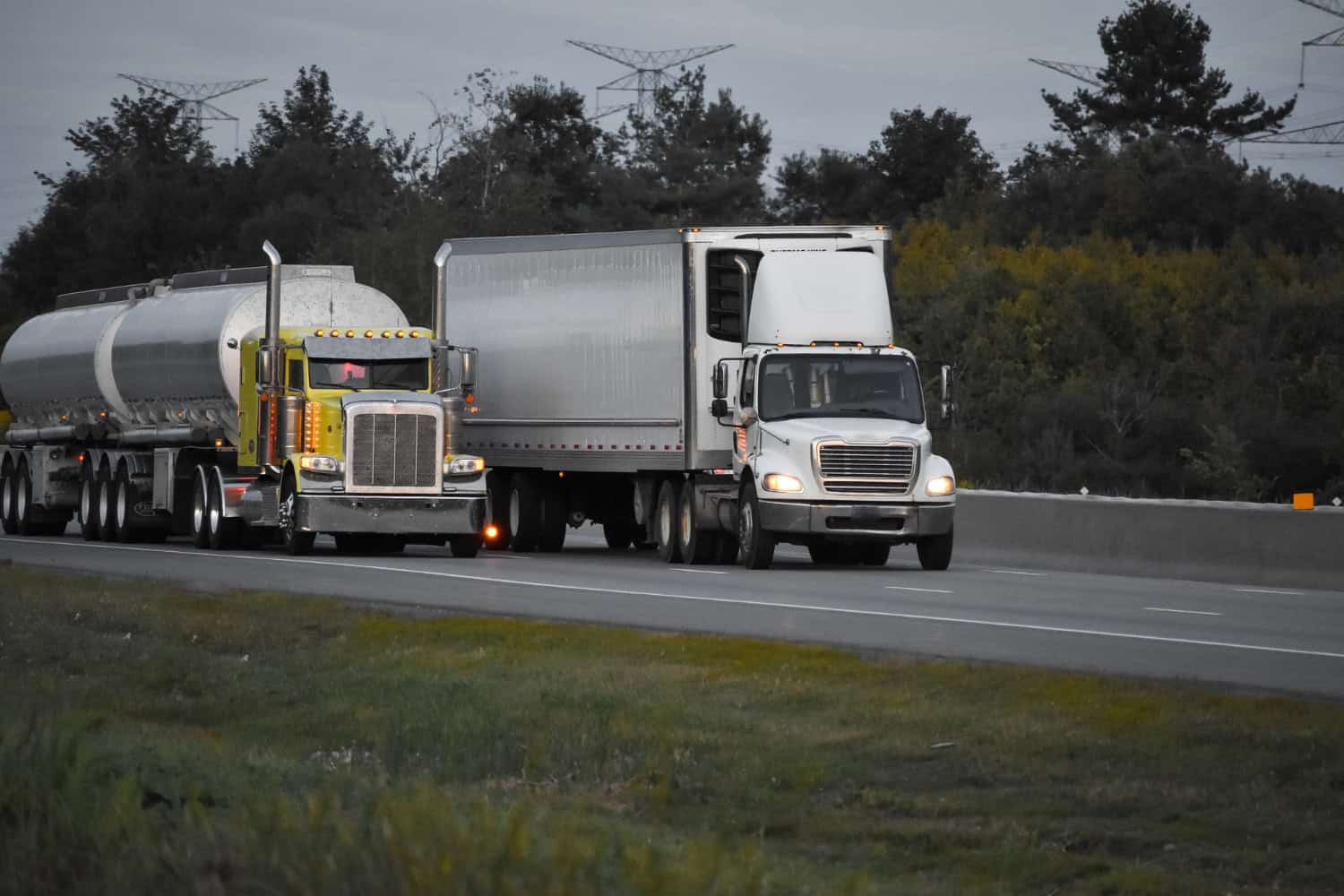
The surface transport sector, particularly long-haul trucking, is rapidly transforming due to the global push for sustainability. Liquefied Natural Gas (LNG) is emerging as a leading alternative fuel in this shift. Let’s explore why LNG is considered the next big thing for trucks, focusing specifically on the crucial role of LNG fuel tanks.

What is LNG?

LNG is simply natural gas cooled to approximately -162°C, turning it into a liquid. This liquefaction shrinks its volume by about 600 times, making storage and transport far more practical. Specialized LNG fuel tanks allow trucks to utilize this energy-dense, cost-effective, and environmentally friendlier fuel source.

Galileo Technologies Sabah Energy

Galileo Voices of Energy: Insights from Sabah Energy Corporation

By | Energy, Resources & Renewables | No Comments

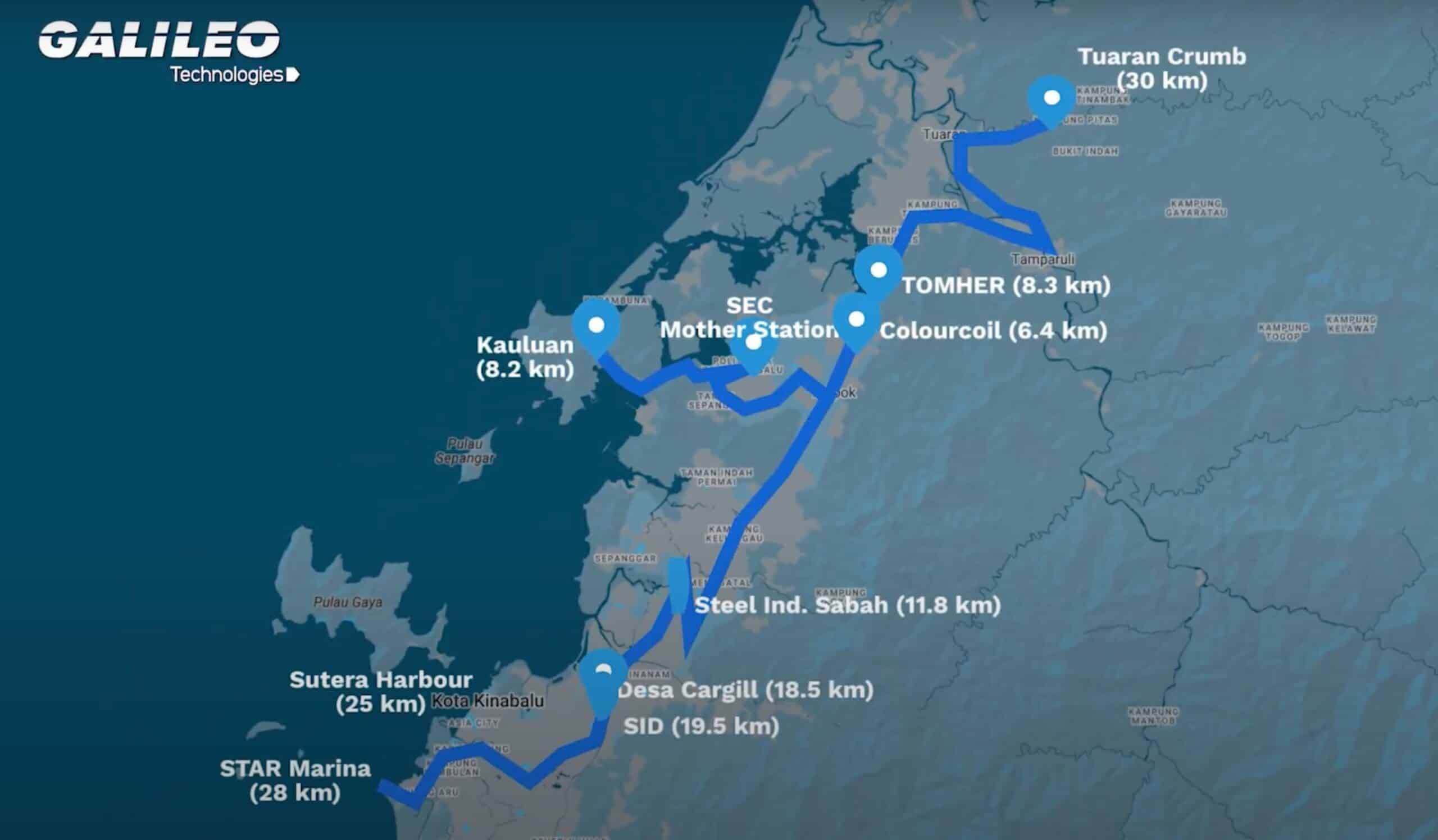
Galileo Technologies has been a key driver in reshaping Borneo’s energy sector since 2012, converting obstacles into significant advancements. In a revealing interview, Sabah Energy Corporation’s CEO, Adzmir Abd Rahman, highlights the pivotal role our technology played in their achievements. Now, Sabah Energy is embarking on a new journey into renewable energy and biomethane, areas where Galileo’s expertise is already proving transformative.

Explore the full interview below to see how Galileo Technologies is powering the future of energy.

Natural gas energy transition

Natural Gas: Key to Clean Energy Shift Despite Challenges

By | Energy, Resources & Renewables | No Comments
Wood Mackenzie’s latest Horizons report indicates natural gas is essential for the energy transition, enabling increased renewable energy use and a faster move away from coal.

According to the report, natural gas is projected to be a key enabler of the energy transition, facilitating both renewable growth and coal displacement.

Recognising natural gas as a critical “bridge” fuel, the report underscores its essential role in the energy transition. Despite growing renewable adoption, natural gas remains vital for meeting energy needs and lowering medium-term emissions. Massimo Di Odoardo attributes gas’s success—evidenced by an 80% demand surge over 25 years—to its widespread availability, affordability, storage capabilities, and relatively cleaner profile.